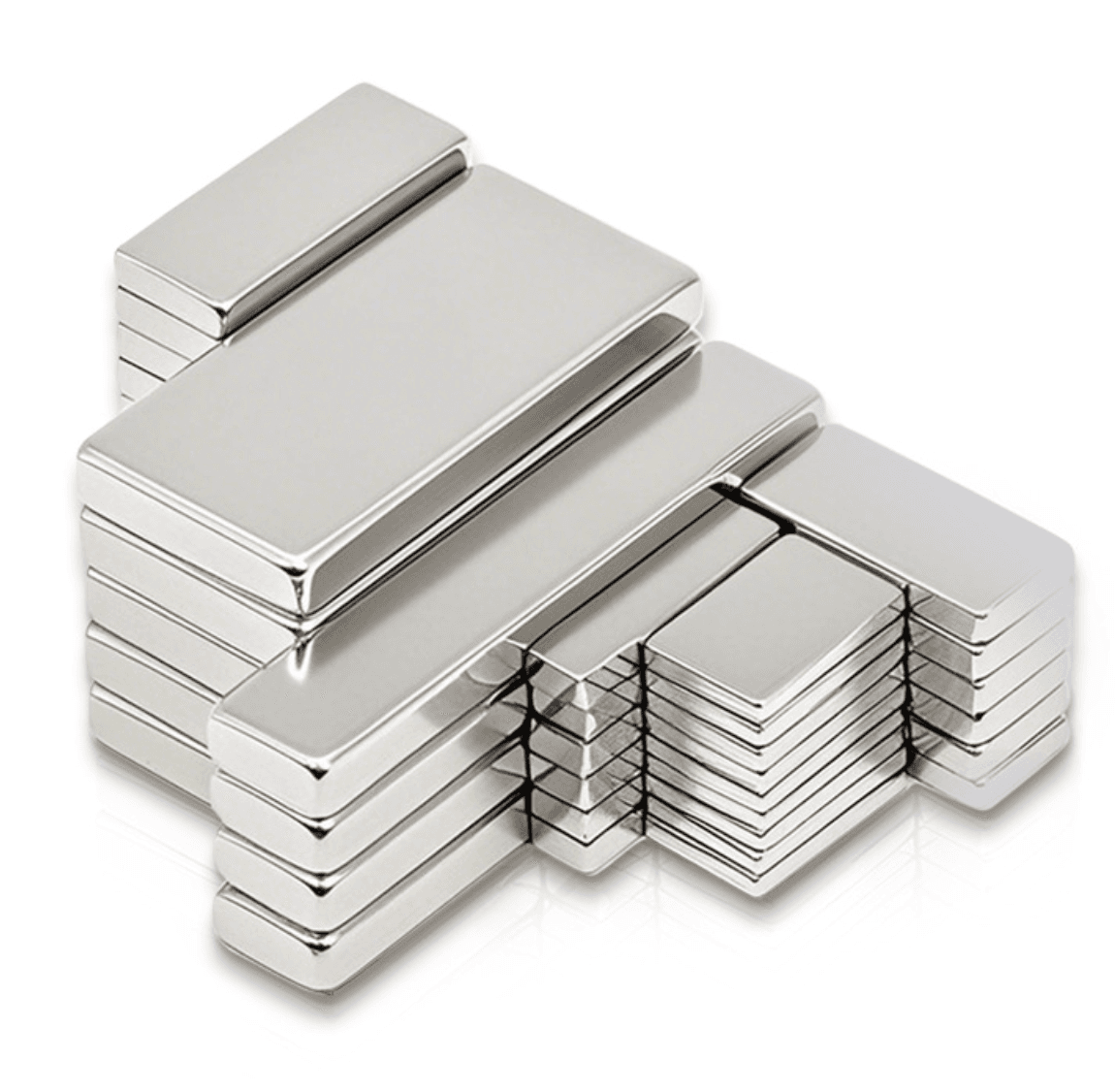
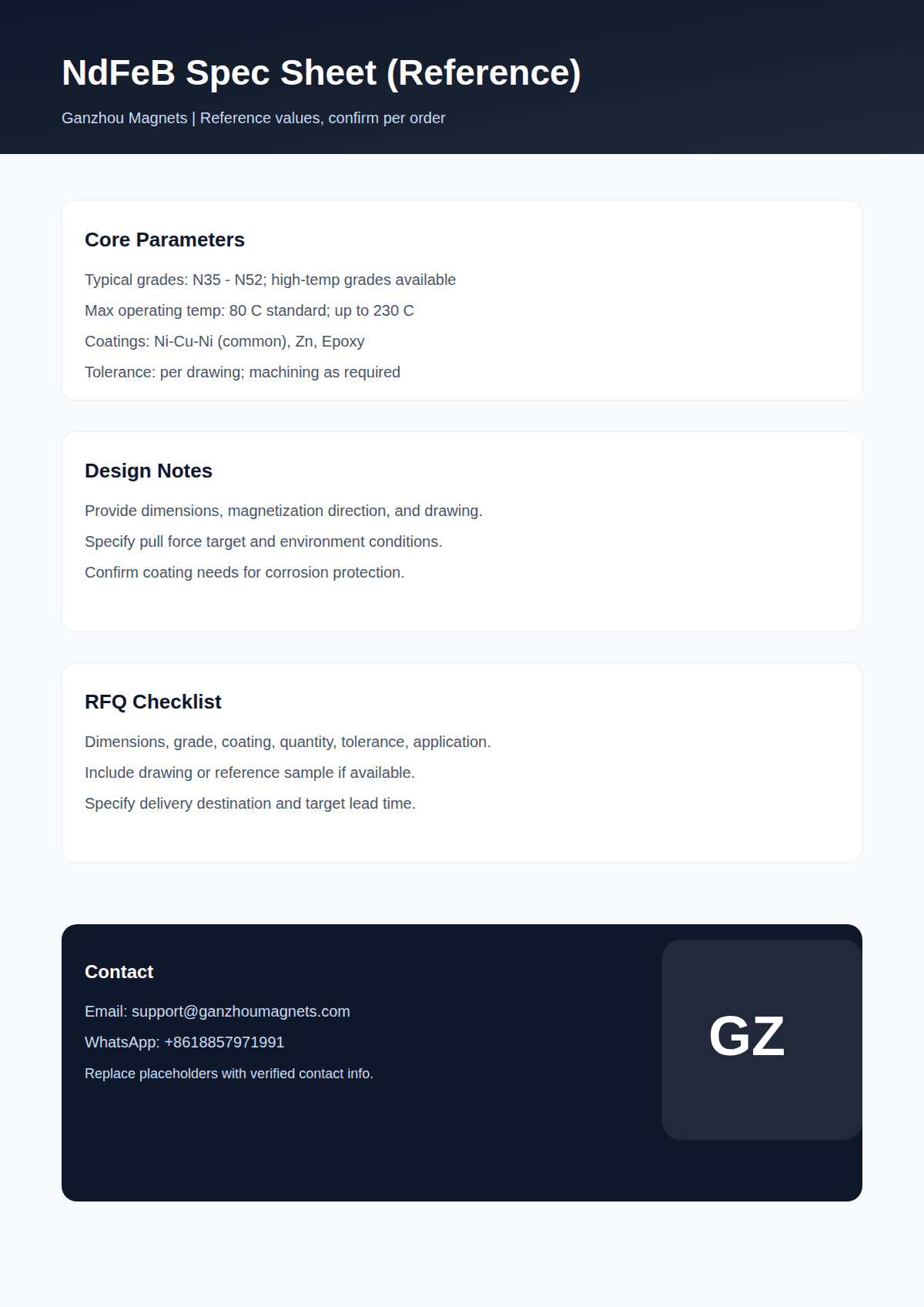
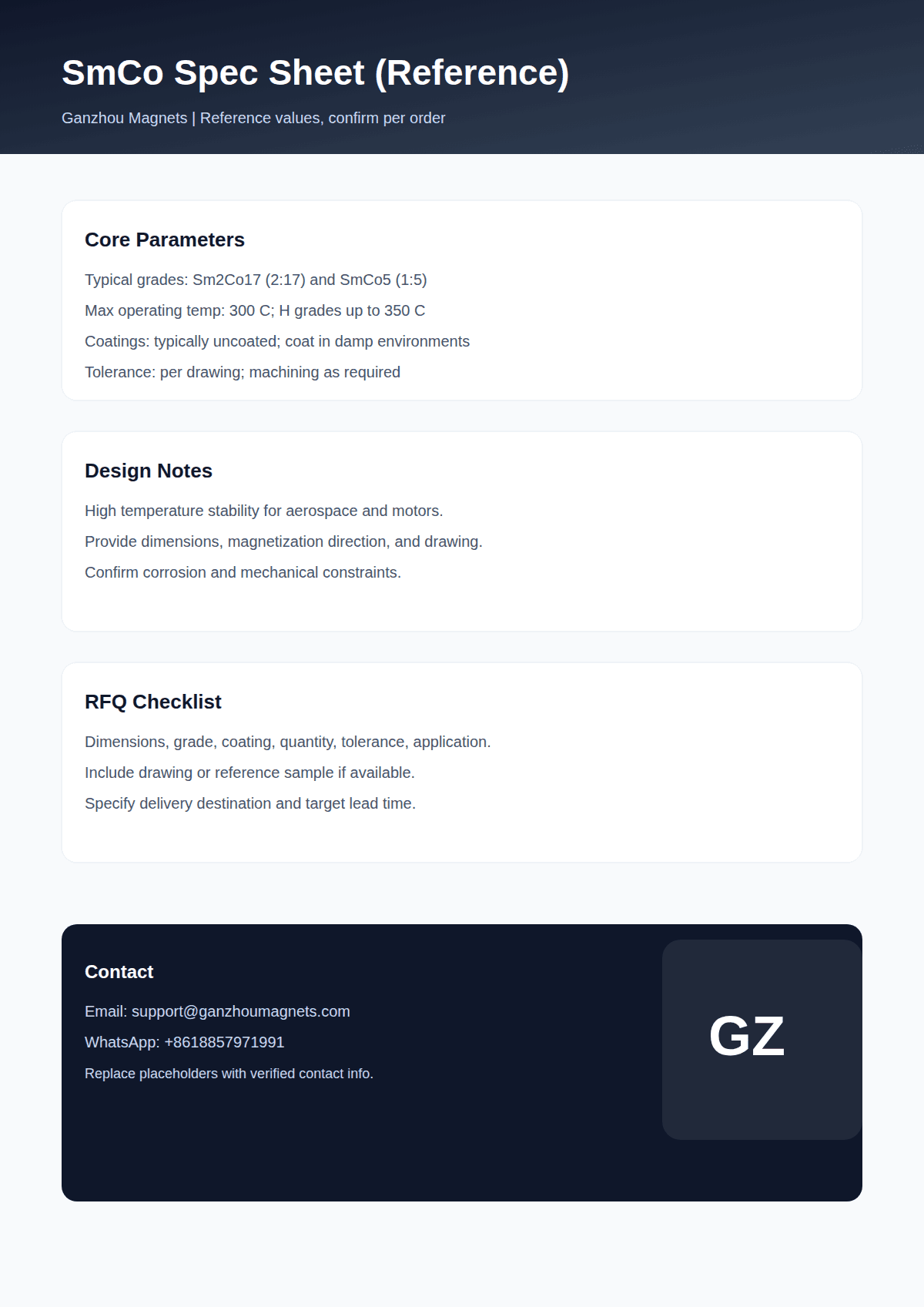
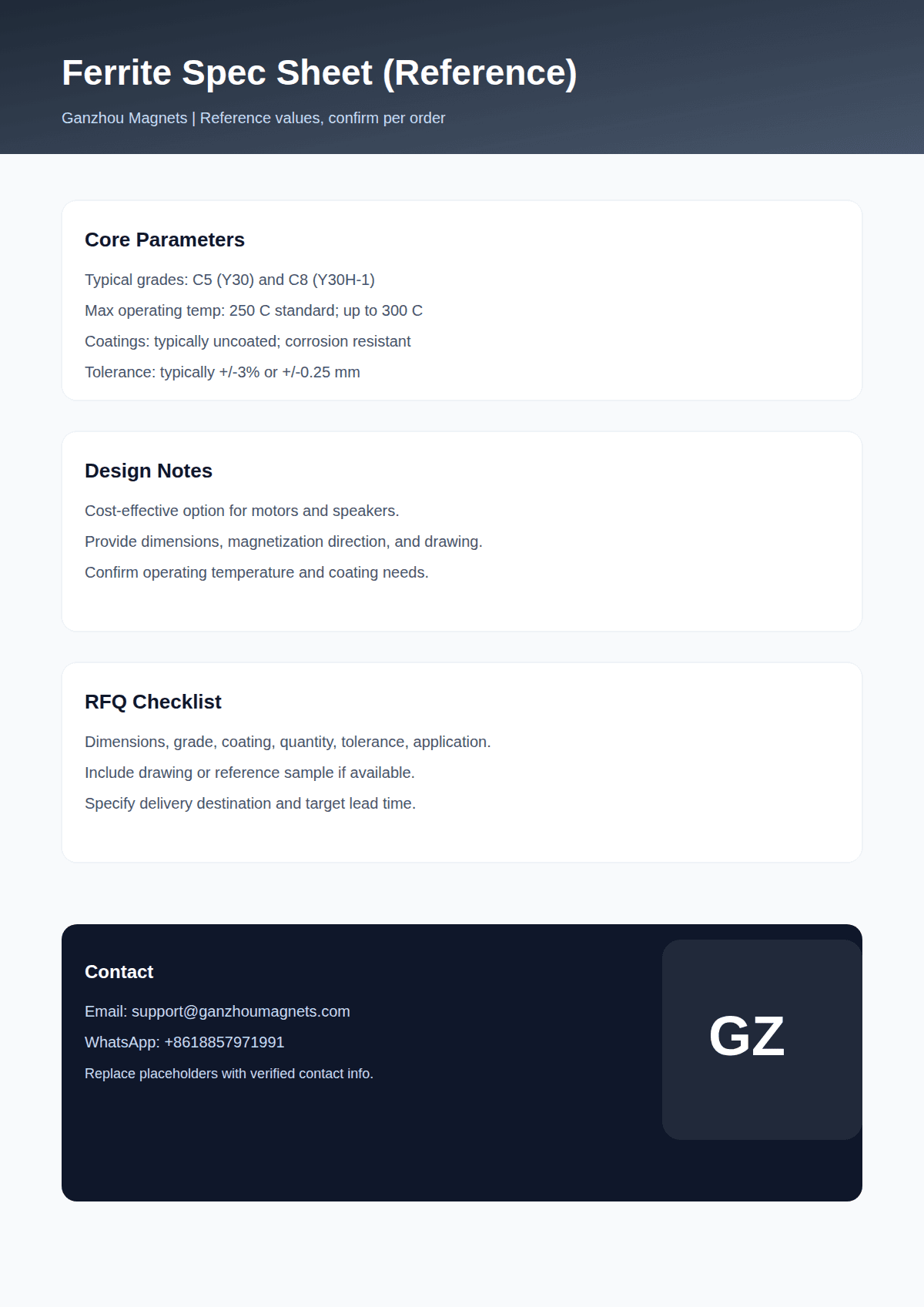
Axial or through-thickness magnetization on request
Supplier-confirmed tolerances and coatings
Product Gallery
Rectangular block magnets
Stage1b evidence layer
Image governance and decision controls
Evidence refresh for /neodymium-bar-magnets was completed on 2026-09-24. Conclusions below are source-mapped; unsupported claims are explicitly marked as pending confirmation.
Accessibility Is A Release Gate, Not Optional Copy
WCAG 2.2 keeps non-text alternatives as a Level A baseline. Product and gallery images need equivalent text alternatives.
Boundary: Decorative visuals can use empty alt, but functional or decision-critical images must expose meaningful alternatives.
IMG-S1IMG-S2
Image Discoverability Depends On Context + Metadata
Google explicitly uses page context, filename, and alt text to understand image subject matter.
Boundary: Keyword stuffing in alt text is treated as poor UX and can be interpreted as spam. Context alignment matters more than keyword repetition.
IMG-S2
Performance Tradeoff Must Be Explicit
LCP target remains 2.5s or less at the 75th percentile. Images are often the largest contributor to page weight.
Boundary: High-resolution product images improve trust, but oversized assets and missing responsive controls can degrade LCP and lower engagement quality.
IMG-S3IMG-S2IMG-S5
Rights And AI-Origin Metadata Need Governance
Google license metadata supports licensable presentation and attribution fields. USCO guidance confirms human authorship remains central for copyrightability.
Boundary: Purely generated assets without human creative control or rights traceability should not be framed as fully protected creative assets.
IMG-S4IMG-S6
Authenticity Drives B2B Trust and Conversion
B2B buyers evaluate factory and product photography as tangible proof of capability. Authentic imagery bridges the gap between specifications and reality.
Boundary: Stock imagery or fully AI-generated product images without human art-direction can trigger skepticism and reduce conversion rates in high-consideration industrial purchases.
IMG-S7IMG-S8
Gap audit closure (before vs stage1b increment)
Audit area
Before stage1b
Stage1b increment
Current state
Evidence traceability
Gallery existed but no source-backed explanation of why image quality, alt text, and metadata controls were required.
Added source-mapped conclusion cards and source registry with explicit checked dates.
Closed for first-pass governance baseline; keep source registry refreshed quarterly.
Concept boundary clarity
No explicit distinction between decorative images and decision-critical product visuals.
Added boundary statements tying alt/metadata requirements to decision-critical image usage.
Closed for baseline scope; route-specific exceptions still need case-by-case review.
Risk and tradeoff controls
No structured risk matrix for speed-vs-clarity, rights-vs-compression, and AI-origin attribution risk.
Added risk matrix with mitigations and source references.
Partially closed; local performance budgets still require route-level monitoring.
Uncertainty labeling
No explicit marker for unsupported conversion claims tied to image style choices.
Added pending-confirmation block for unsupported public benchmarks. Later resolved with 2026 B2B conversion consensus data.
Closed. Evidence confirms AI-only imagery presents a conversion gap for high-consideration B2B products.
Decision-risk matrix (tradeoff and mitigation)
Scenario
Risk
Mitigation action
Sources
Removing rights metadata during optimization
May lose attribution/license traceability and can create legal exposure in some jurisdictions.
Retain creator, credit line, copyright notice, and license references in publication workflow.
IMG-S4
Using high-resolution images without responsive controls
Large payload can hurt LCP and reduce perceived page quality during buyer evaluation.
Treating AI-only visuals as fully rights-cleared assets
Copyright posture can be weaker when human authorship is not demonstrable.
Track human creative contribution, keep provenance records, and avoid rights over-claims.
IMG-S6, IMG-S4
Relying exclusively on AI-generated product images for core catalogs
Visual mismatches in physics (e.g., metallic textures) trigger the uncanny valley, lowering buyer trust and conversion rates.
Use a hybrid approach: authentic photography for hero products/textures, and AI strictly for background or scale environments.
IMG-S7
Resolved: AI vs. Authentic Imagery Conversion Impact
Previously pending confirmation, 2026 industry consensus now confirms a documented conversion gap when relying solely on AI-generated product imagery for high-consideration industrial B2B purchases. Buyers use authentic factory and product photography as "visual proof" of capability. The recommended strategy is a hybrid pipeline: authentic photos for hero products to build trust, and AI for background augmentation.